How Cooking Supports Neurodivergent Kids in Building Confidence
By keywords
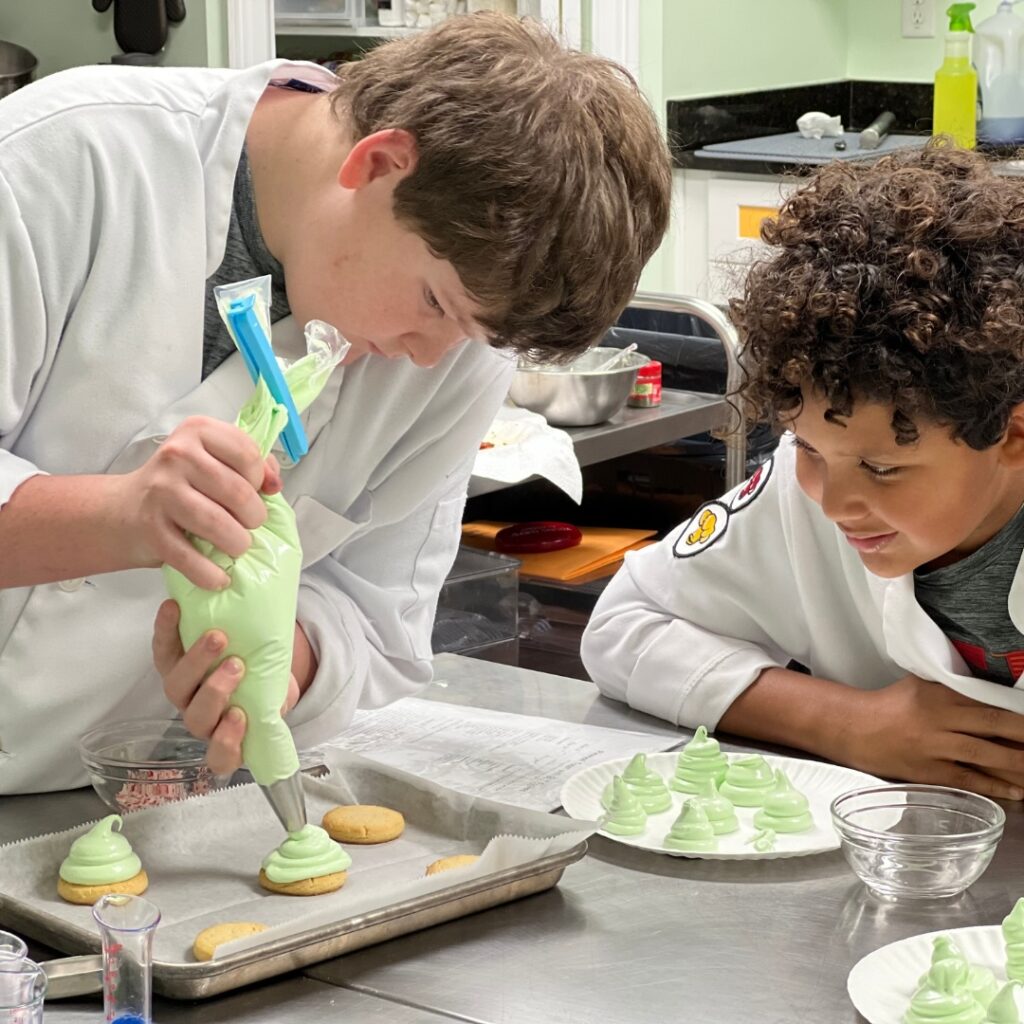
Confidence is rarely spontaneous. For children—especially those who are neurodivergent—it blossoms when they encounter environments designed with structure, clarity, and encouragement. While classrooms, sports, or social settings can sometimes feel unpredictable, the kitchen offers something radically different: clear steps, immediate feedback, and tangible results.
At Young Chefs Academy, cooking classes for kids are carefully crafted to harness this potential. What begins as a simple lesson in cracking an egg or mixing ingredients soon becomes a profound exercise in building confidence, independence, and pride.
The Gift of Structure
Cooking is not random. Recipes require precision, order, and logical progression. For many neurodivergent children, this structure is deeply reassuring. Instead of facing an open-ended challenge with unclear outcomes, they follow a step-by-step plan: measure, mix, bake, taste.
Small Tasks, Big Triumphs
Mastery often begins with the simplest tasks. A young student named Ethan, who attends kids culinary classes, once struggled with motor coordination. But the moment he successfully measured and poured flour without spilling, his entire demeanor shifted. He looked up, smiled, and declared, “I did it myself!”
These small wins create lasting impressions. They teach children that persistence leads to results. For neurodivergent kids, such repetitive, achievable successes provide the scaffolding for confidence that carries far beyond the kitchen.
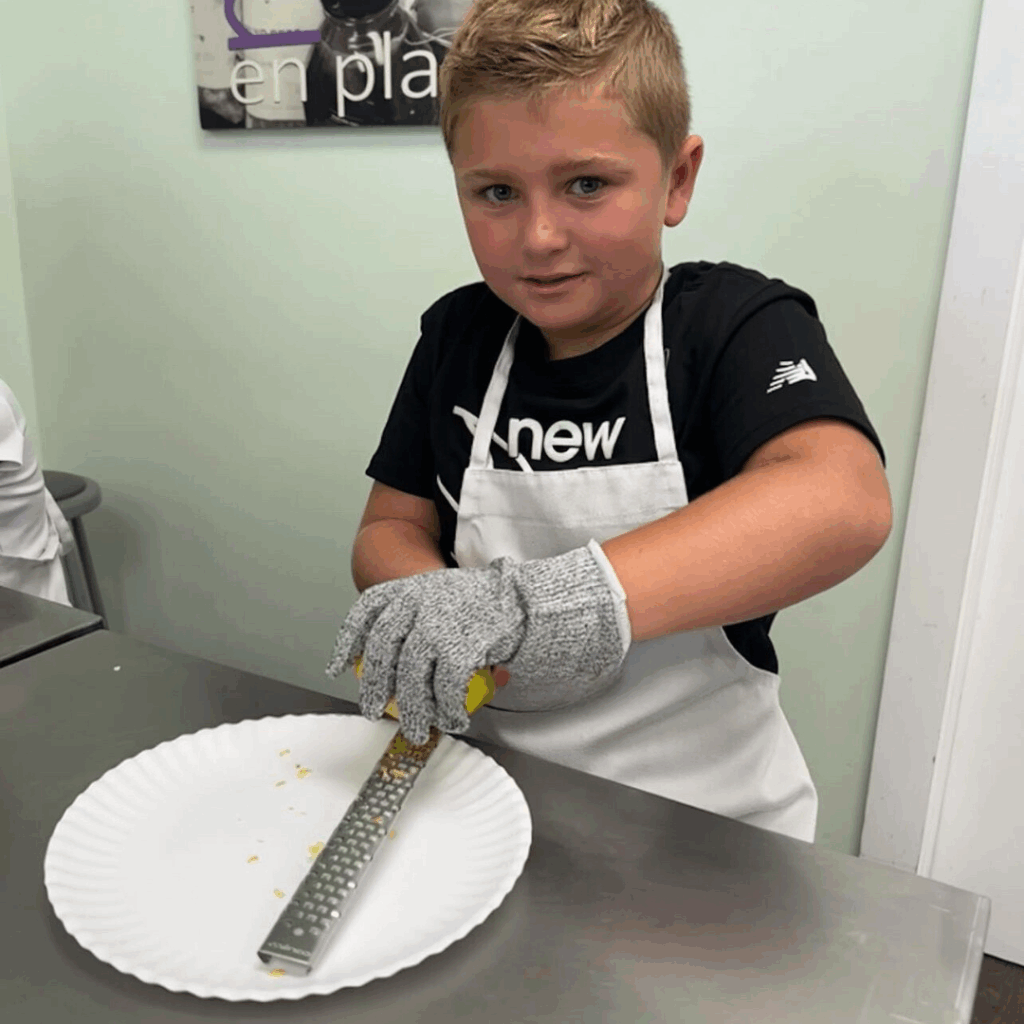
Anxiety Reduction Through Clear Goals
Ambiguity can be a trigger. Cooking, however, offers a natural antidote: clear beginnings, middles, and ends.
Take Sophia, a child on the autism spectrum enrolled in kids’ culinary camps. Initially hesitant to participate in group activities, she thrived once she understood the class structure. By the end of the camp week, Sophia eagerly volunteered to demonstrate steps for her peers, her confidence visibly blossoming.
Social Connection Without Pressure
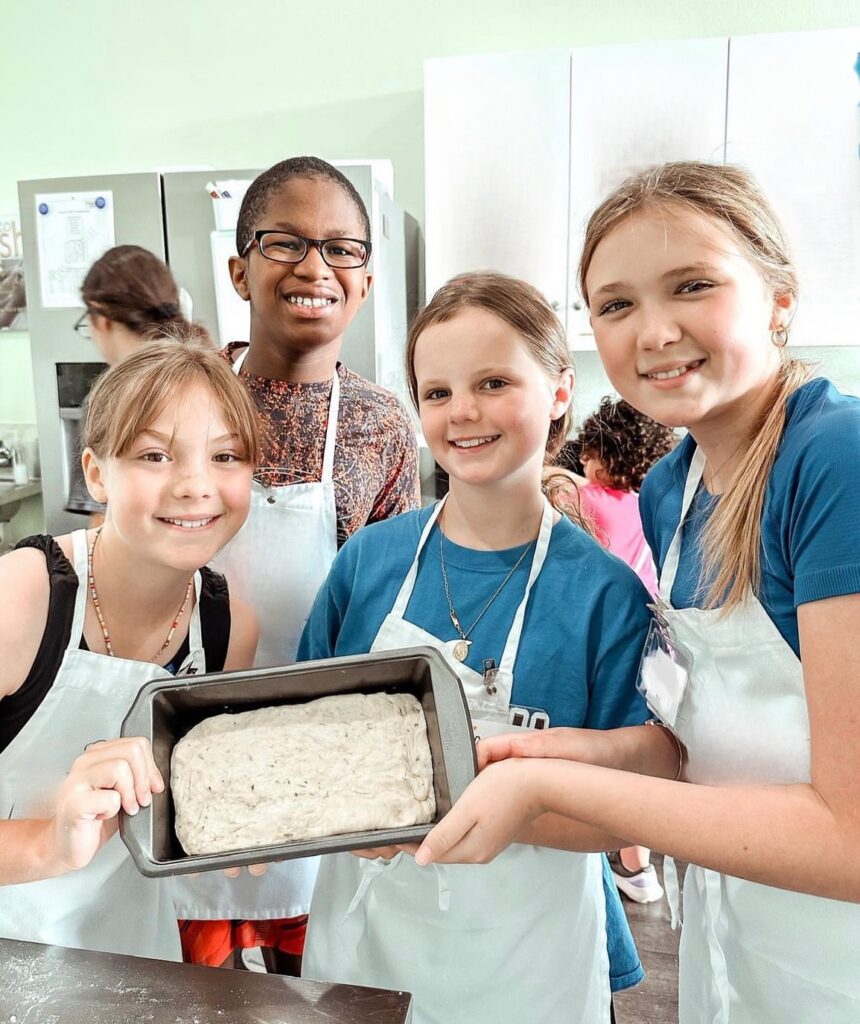
Confidence is magnified through social validation, yet group interactions can be daunting for some neurodivergent children. Cooking provides a unique pathway to connection. Shared tasks such as passing ingredients, tasting dishes, or decorating a cake together create opportunities for interaction without pressure.
Young Chefs Academy birthday parties amplify this effect. Children collaborate in celebratory environments where teamwork and praise come naturally.
Joy as a Confidence Catalyst
Confidence thrives in joy. Cooking offers endless opportunities for delight: the crackle of sautéing vegetables, the rainbow of sprinkles, the first bite of a warm cookie.
At Young Chefs Academy, instructors weave playful elements into structured lessons—turning measuring into games, encouraging creativity, and celebrating bold choices.
Transferable Life Skills
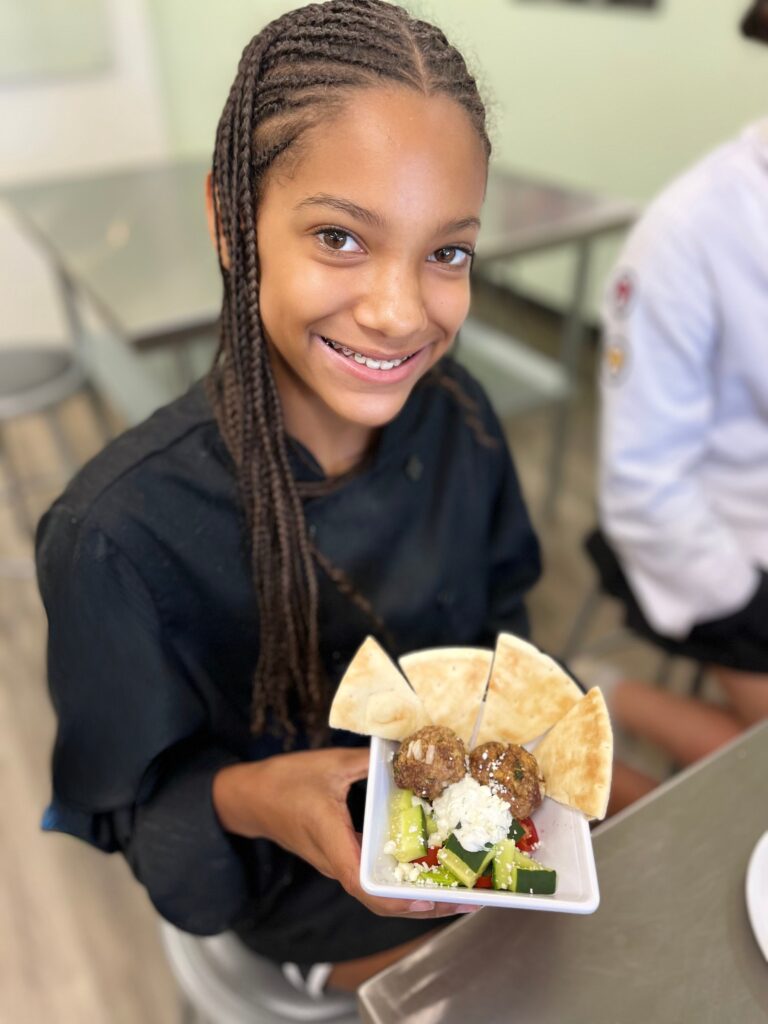
The kitchen trains children in more than recipes. Neurodivergent kids learn time management, sequencing, patience, and resilience.
Jordan, who once struggled with executive function, learned how to divide projects into steps by practicing recipes. That strategy later helped him complete school assignments with newfound confidence.
Families Notice the Difference
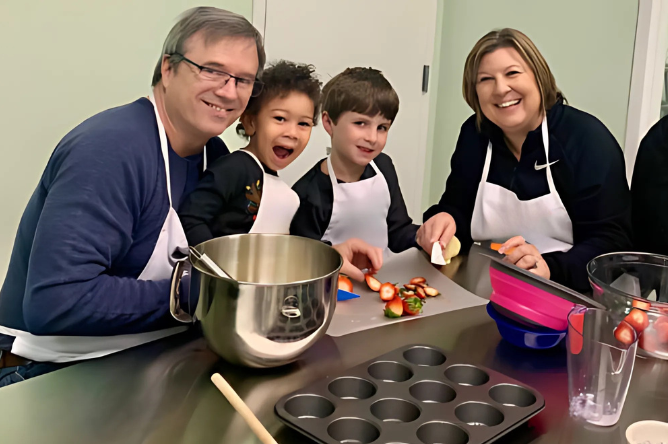
Parents report remarkable changes at home. Children who once hesitated to try new things now volunteer to prepare dinner or set the table. The independence gained in hands-on cooking fun transforms family dynamics.
Beyond the Weekly Class
Confidence deepens in diverse contexts:
- Cooking camps for kids immerse students in new cuisines over consecutive days.
- School cooking field trips expose entire classrooms to hands-on culinary learning.
- Workshops and parties provide celebratory spaces for creativity and collaboration.
Each reinforces structured learning, joyful engagement, and accomplishment.
Cooking may start as a class, but for neurodivergent children, it becomes a metaphor for life. Recipes teach that mistakes can be corrected, practice brings improvement, and creativity transforms the ordinary into something extraordinary.
A Lifelong Ingredient: Self-Belief
At Young Chefs Academy, children leave with more than culinary skills. They gain self-belief—a lifelong ingredient that helps them thrive in every part of their lives.
Conclusion
For neurodivergent kids, confidence requires spaces that blend structure with play, predictability with joy, and challenge with support. Cooking provides all of these. At Young Chefs Academy, every recipe is a journey, every dish a milestone, and every class a chance to shine. And in each child’s growing confidence, we see the true measure of success—not just the food on the plate, but the pride in their smile.