Industry Trends in Childrens Education: 2026 Insights
By keywords
Across the country, expectations around children’s education and enrichment are changing, with industry trends in children’s education pointing toward more active, skills-based learning. Families are looking beyond academic reinforcement and passive activities. Instead, they want experiences that build confidence, independence, and real-world skills through active participation.
Recent discussions around youth education and enrichment programming highlight clear industry trends in children’s education. Moreover, hands-on learning is becoming central rather than extra. Additionally, screen-free spaces are being reframed not as a rejection of technology, but as purposeful environments for focus, creativity, and human connection. Overall, these conversations reflect a broader rethinking of how children learn best—and what families value most.
Leadership Engagement in a Changing Landscape
Recently, Leigh Feldman, CEO of Young Chefs Academy, took part in an industry webinar focused on children’s enrichment to stay connected with emerging industry trends in children’s education. Specifically, the session centered on how providers across sectors are responding to changing family needs, educational priorities, and long-term growth goals.
Furthermore, participation in these discussions signals an approach grounded in listening and learning. In a landscape that continues to shift, informed leadership means engaging with new ideas, testing assumptions, and checking how new insights align with established educational philosophies. Organizations like the National AfterSchool Association regularly track these evolving patterns in youth programming.
Key Industry Trends in Children’s Education
A recurring theme throughout the discussion was the growing emphasis on hands-on, physical learning. Notably, programs that allow children to physically engage with materials—building, trying things out, cooking, and creating—are increasingly viewed as essential to real learning. In addition, these experiences support problem-solving, persistence, and critical thinking in ways that passive formats cannot.
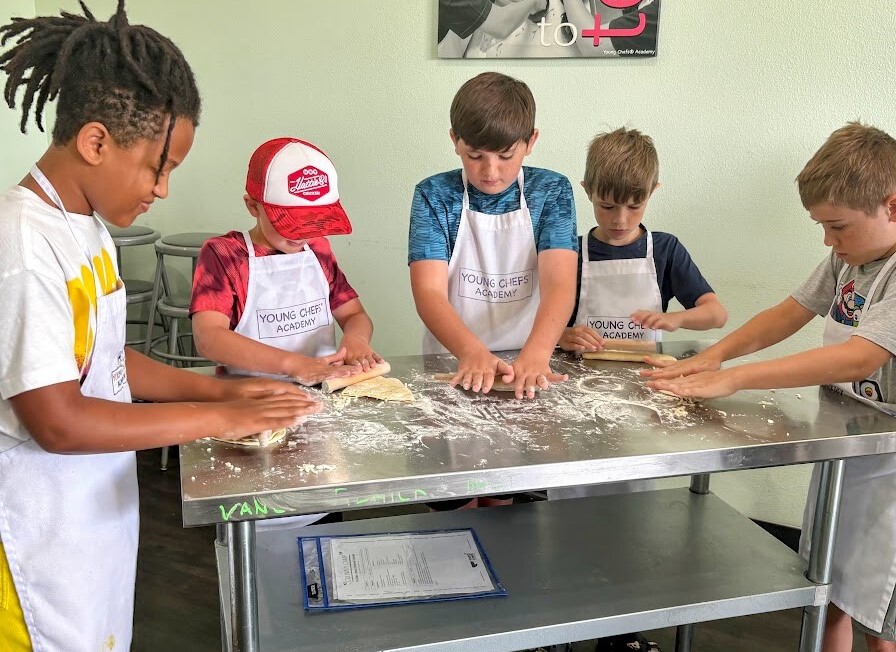
The Value of Screen-Free Learning
Another consistent insight centered on screen-free education, one of the most notable industry trends in children’s education. Rather than positioning this approach as restrictive, many educators are reframing it as restorative. In fact, structured, unplugged environments give children space to concentrate, work together, and develop fine motor and sensory skills. As a result, families are seeking balance, and enrichment programs are responding by offering purposeful breaks from digital overload.
STEM and STEAM Integration
The discussion also highlighted the continued expansion of STEM and STEAM integration, with a clear evolution toward applied learning. Specifically, science, technology, engineering, art, and math are increasingly taught through real-world contexts that feel relevant and practical. Furthermore, this shift emphasizes process over performance and encourages children to learn through trial, error, and iteration.
Research from Edutopia and similar educational resources confirms that experiential approaches align with current industry trends in children’s education.
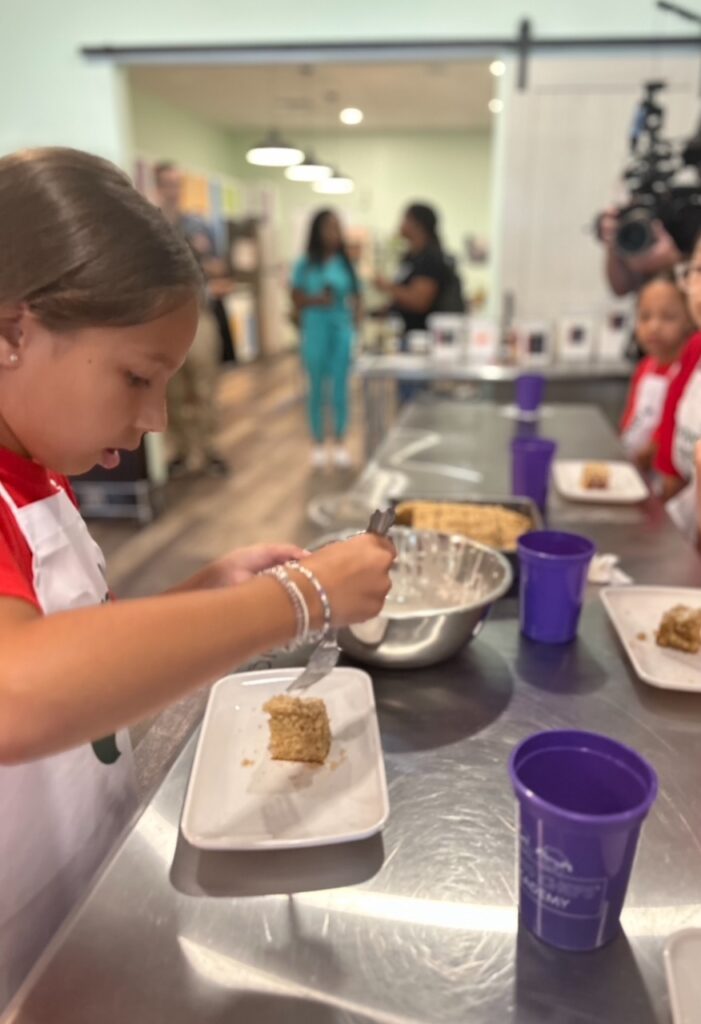
Closely related is the rise of skills-based and job-style programming for children. For example, age-appropriate exposure to practical skills—such as cooking, design thinking, entrepreneurship, and teamwork—helps children understand how learning connects to everyday life. Moreover, these programs focus less on career outcomes and more on building capability, responsibility, and self-confidence.
Family Engagement
Additionally, family engagement emerged as a meaningful area of growth. Currently, enrichment providers are exploring formats that invite parents, caregivers, and children to learn together. Consequently, these shared experiences strengthen relationships while reinforcing learning beyond the classroom.
Alignment With Young Chefs Academy’s Approach
These industry trends in children’s education closely reflect the long-standing philosophy behind Young Chefs Academy. In fact, culinary education for children has always been rooted in hands-on learning—measuring ingredients, mixing batters, tasting seasonings, adjusting recipes, and reflecting on results. Moreover, cooking naturally integrates math, science, creativity, and sequencing while remaining grounded in real outcomes.
Building Confidence Through Cooking
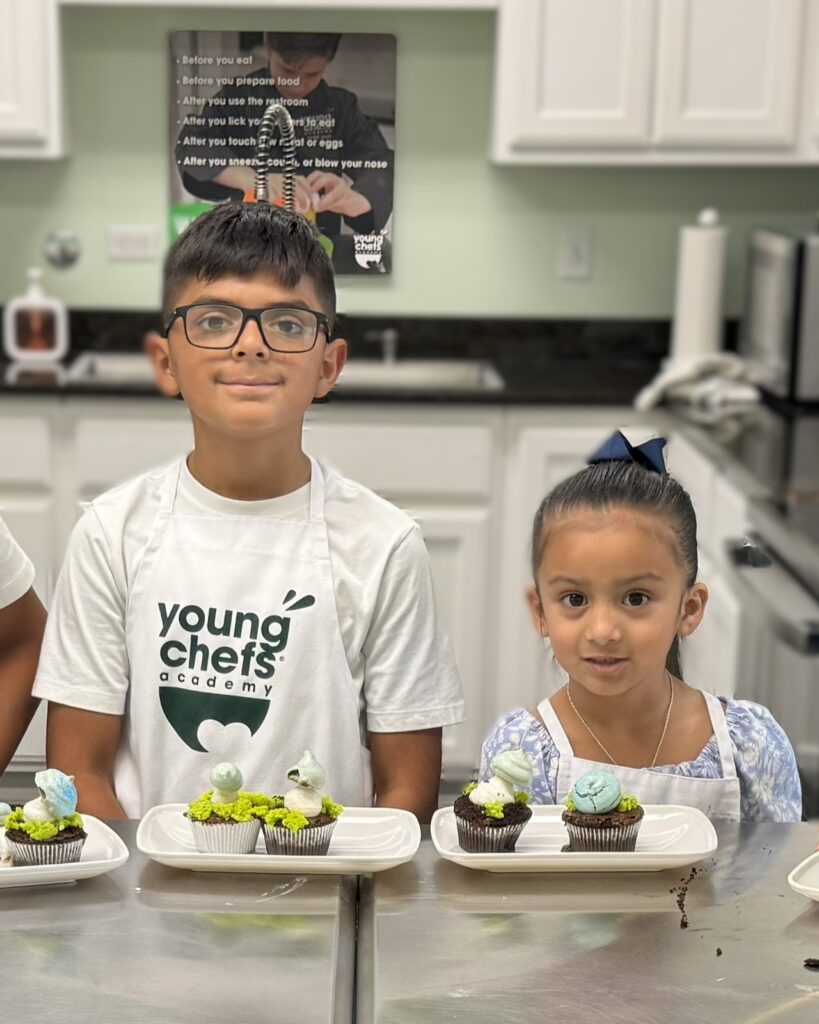
Hands-on learning through cooking builds confidence from the ground up. Specifically, children learn to follow instructions, use tools responsibly, work with peers, and take pride in completing a process from start to finish. Furthermore, screen-free kitchen environments encourage focus, communication, and independence, aligning with broader industry trends in children’s education.
Structured Program Design
The emphasis on structured enrichment programs also mirrors how Young Chefs Academy designs its cooking classes for kids. In particular, clear learning objectives, guided instruction, and step-by-step skill-building help children grow steadily while still experiencing joy and creativity. Additionally, these programs are not about shortcuts or novelty—they are about consistency, practice, and meaningful engagement.
Why These Insights Matter
For families, these industry trends in children’s education translate into enrichment experiences that support more than short-term entertainment. In fact, skills-based learning for kids fosters resilience, confidence, and curiosity—qualities that extend into school, home, and social environments.
Meanwhile, for the broader industry, the shift signals a renewed commitment to hands-on learning for kids that is purposeful and evidence-based. As expectations rise, programs that combine structure with creativity will continue to play a vital role in children’s development.
Looking Forward
Young Chefs Academy remains grounded in informed leadership and aligned with national conversations around what children truly need. Therefore, the focus stays where it belongs: on thoughtful growth, educational integrity, and lasting outcomes for children and families. To learn more about our approach to these industry trends in children’s education, explore our programs or find a location near you.